
 Last weekend a gathering of rally friends helped take out the 2.0L 420A. This was made easier by taking a Sawzall to the radiator support. 🙂 As we were taking the motor out we discovered some pretty serious damage to the bottom core support and the wiring harness that goes to the lights. This had been ground into by the AC compressor upon hitting whatever bent the metal of the front end. 😮 This explains the melted connector on the back of the headlight switch and the crackle sparking sounds when I turned on the fog lights.
Next is a serious discussion about the roll cage design for the 2GN. When I built the first Rally Neon I was hesitant to put any info of authority on rallynotes. I was new and didn’t want to come off like some expert on the rules for roll cage design. This time around I’m still no expert, but I’ll show you what we’re planning.
 This is my proposal for a door bar layout. I think the door bars are one of the most critical areas and it’s important to balance safety with the ability to get in and out of the car.
The rules: NASA RallySport / Rally America Both sanctioning bodies have a slightly different view of the best method for coming up with a safe roll cage. I could write a book about the complex differences between the two organizations, but I’ll summarize what you need to know: Both organizations accept each others log book. NASA Rally Sport requires FIA seats and Rally America as of this writing does not. Which rule-set should you use? YMMV. Find someone who has been building rally roll cages for a few years and has some experience.
The sill bar. Back in 2003 when SCCA was running the show, there was a movement in the rules to get an additional door bar added. Before this, you only needed 1 bar going from the main hoop to the front A-pillar. I can’t even imagine sliding sideways at 90MPH with a single 1.5″ door bar… Then again, cars used to be made from steel and not hydroformed .0025″ thick zinc coated plastic sheets. 😉 The solution was to add a straight bar from the main hoop to the A-Pillar close to the floor on the sill. A lot of rallyists started adding the full “X” WITH a sill bar, but the minimum in the rules (as of mid-2011) is only 2 door bars. Sill bar and a diagonal, OR just the “X”. After seeing a car take a tree stump in the door with just the “X” – we’ll be adding the additional sill bar.
The bar from the corner of the windshield to the floor (along the A-Pillar) is now mandatory and we’re considering adding it to our production car. These cars are “jellybeans” and where a 1988 VW makes a 45% bend for the windshield, the Dodge “cab forward” design is this 15% decaying slope that needs to be strengthened if it’s to survive a hit there.
If this design looks impossible to get in or out of the car with, consider that the stock dash extends beyond where the A-Pillar diagonal is, and the proposed door bars are no higher then the ones in our Production car. Will the full “X” make it a little harder to get in and out? I’m sure. Will we be going a little faster then in our Production car? Absolutely!

 There are two things that you will never find in my rally car. ‘Vampire Taps’ & ‘Butt Splices’. The first is an absolute NO. Vampire taps only work under ideal conditions and wire thickness. Too big and they make a poor connection, too small and they chop the wire in half. Both of these failures are acceptable for stereo systems, but not when you’re hooking up things like intercoms and rally computers. If you have to make a tap, trim away the insulation with a proper wire stripper, wrap the new wire in, and solder.
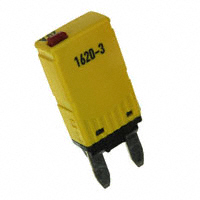 I’ve had my eye on 12v resettable fuses for a while now and it’s something that I think will really come in handy on a modern rally car. The E-T-A 1620 series are automotive grade circuit breakers that fit in a “mini fuse” space. Around $5 each they beat a zip-lock baggy of replacements in the ash tray. Along with these I ordered a number of switches for the cockpit panel and some some separate 12v circuit breakers for things like lights, rally computer, and transceiver. I also ordered some spare Molex type connectors to better interconnect the harness in the rear of the car. I will be able to change out the melted and cracked connector that goes to the lights and blinker switch. 😮
 Zip-ties, duct tape, and bailing wire are the most common MacGyver items in a rally car. When a rally is in town, we usually have more spare zip-ties then the local Super Walmart. Zip-ties are a rally essential, but you need to pickup an essential tool for installing them: A pair of